
National Museum of the History of Ukraine: A Journey Through Ukrainian History
August 04, 2025

I spent nearly three hours walking through the museum's chronological exhibits, fascinated by how each room told a different chapter of Ukraine's complex history. The top floor's exhibits about recent revolutions and the ongoing conflict were particularly powerful, with war-battered artifacts that made Ukrainian history feel incredibly immediate and real.
Where ancient stone tools meet modern war artifacts, the National Museum of the History of Ukraine tells a nation's story through objects that breathe life into forgotten moments. Uncover how a single museum can trace Ukraine's journey from prehistoric settlements to contemporary struggles, with surprises waiting in every exhibit room.
Need-to-Know Info Before Visiting National Museum of the History of Ukraine
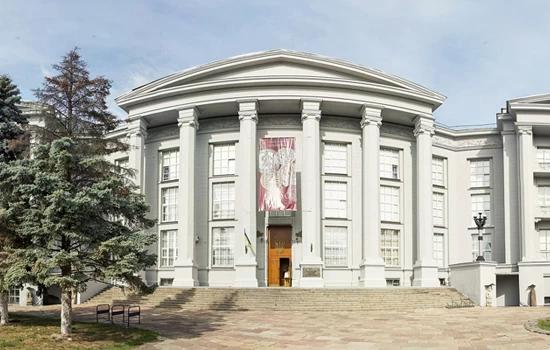
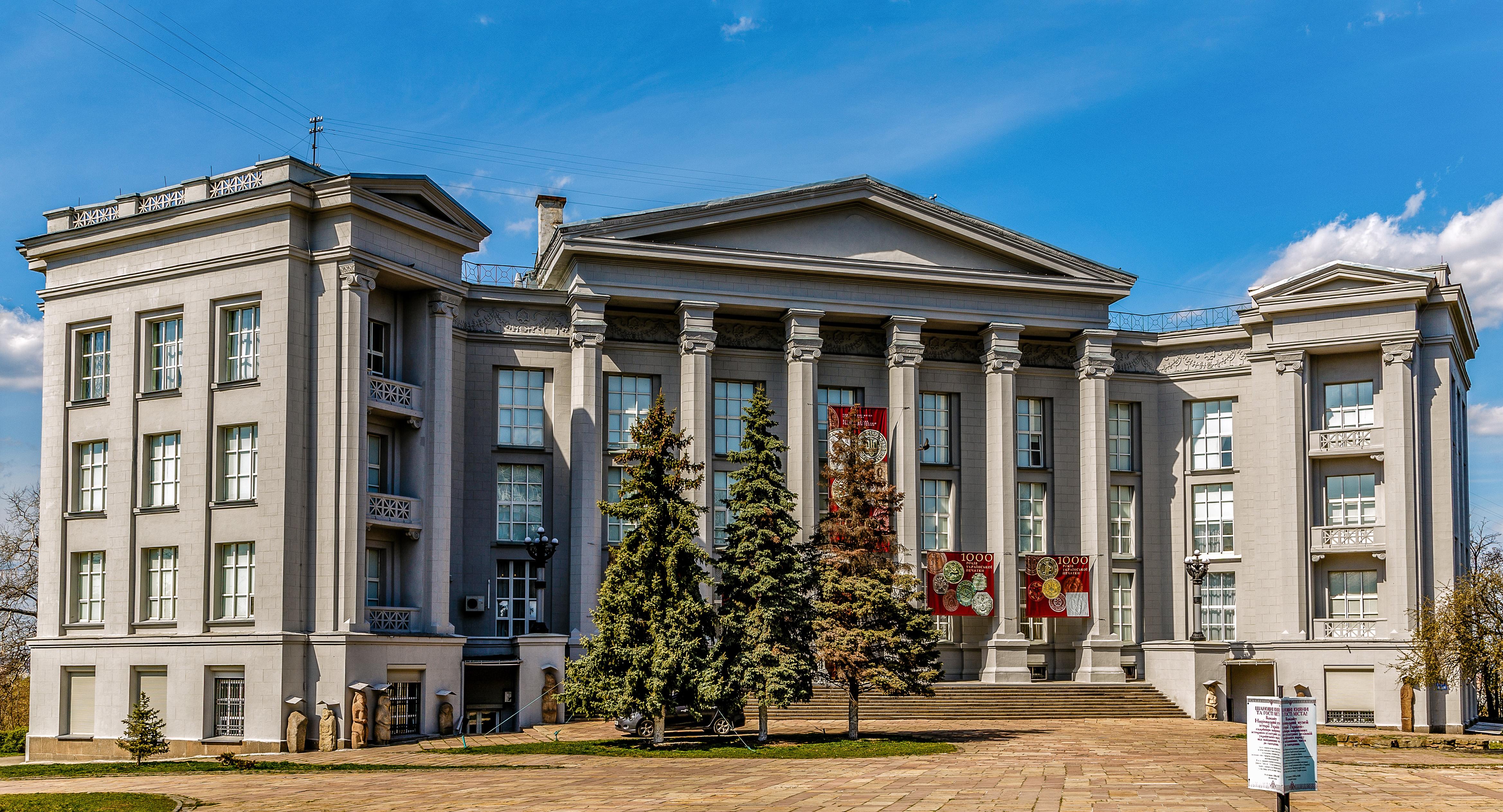
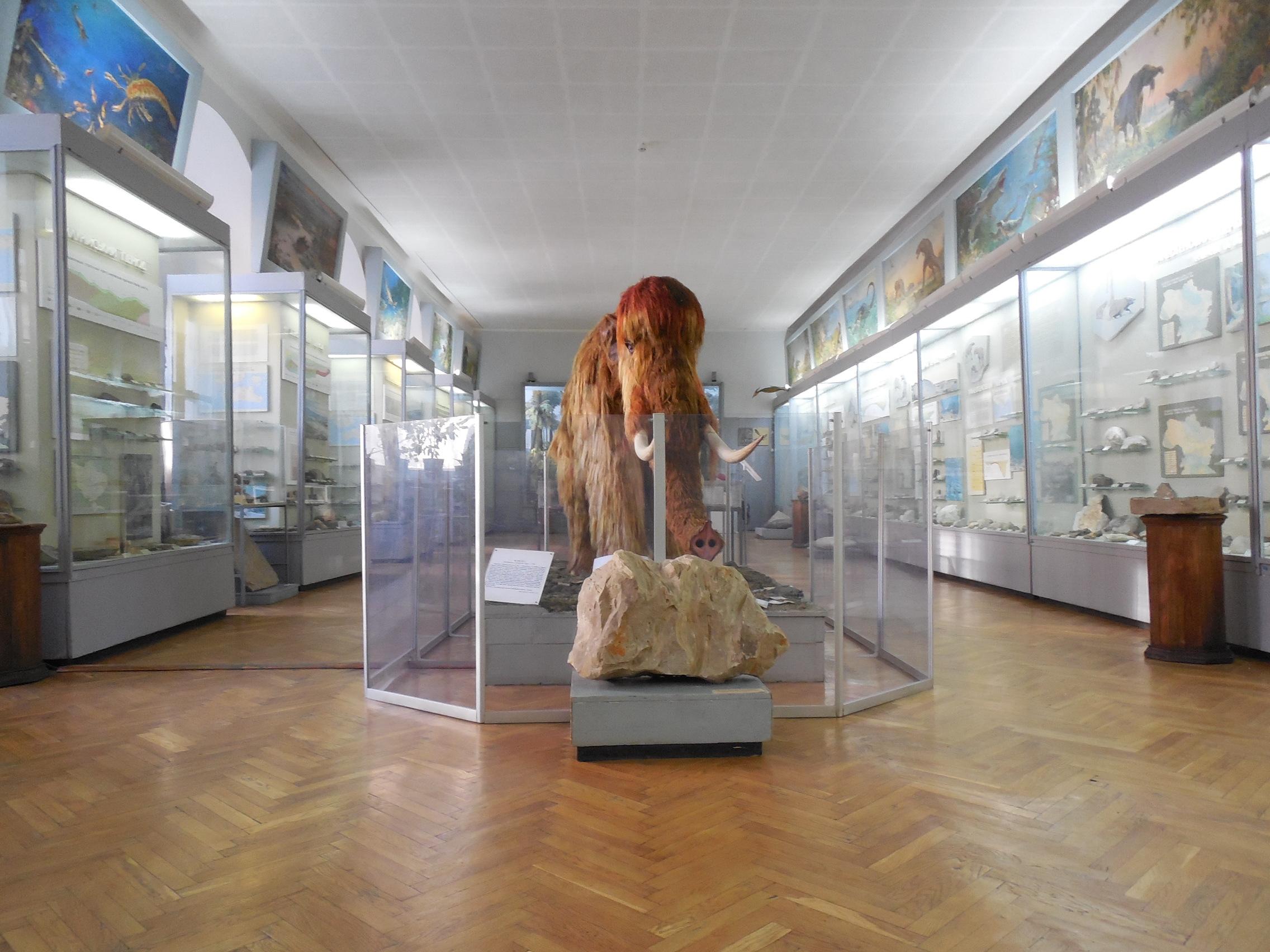
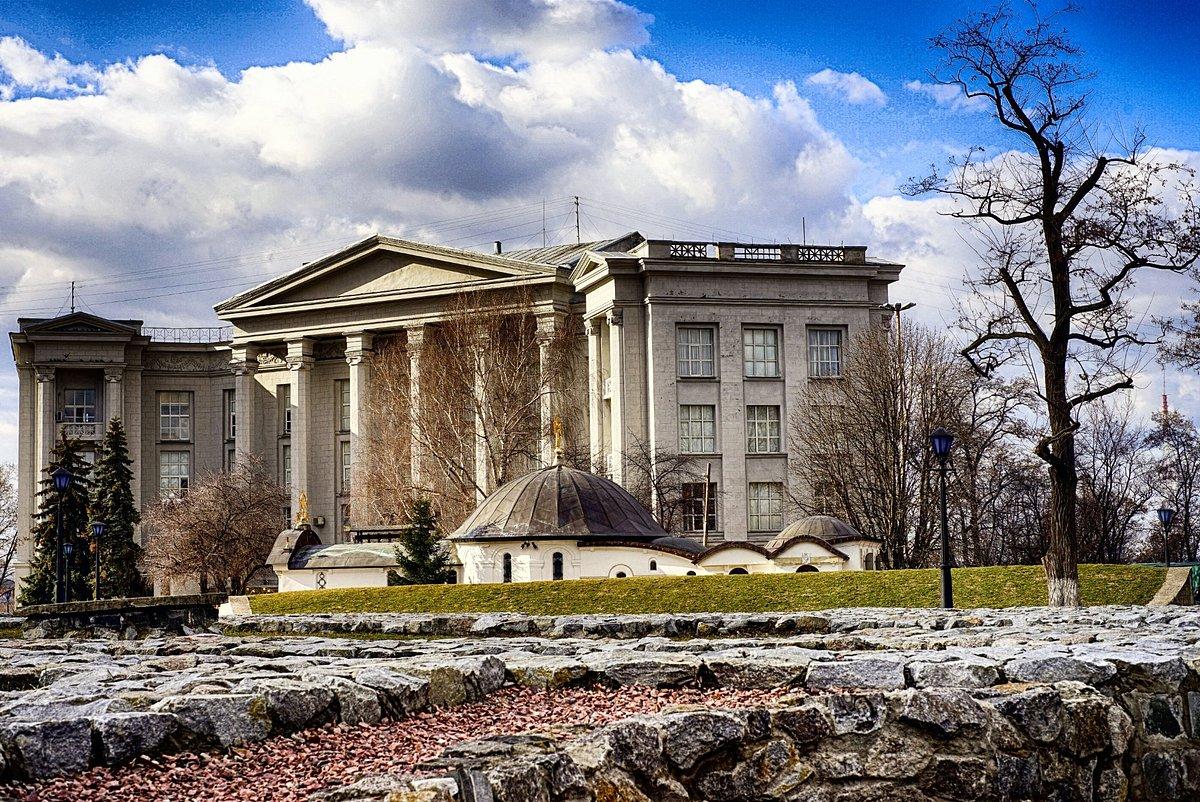
5+
images
National Museum of the History of Ukraine Address
Grushevskogo Street 10, Kyiv, Ukraine 01001
National Museum of the History of Ukraine Opening Hours
- 🕒 Tuesday-Sunday: 10:00 AM - 6:00 PM
- 🕒 Closed on Mondays
- 🕒 Last entry: 5:30 PM
How to get to National Museum of the History of Ukraine
- 🚗 By car: Parking available near museum entrance
- 🚌 Public transport: Metro Teatralna station, walking distance
- 🚕 Rideshare: Uber and Bolt widely available in Kyiv
What is National Museum of the History of Ukraine known for?
- Comprehensive exhibits covering Ukrainian history from Stone Age to modern conflicts
- Extensive collection of medieval armor and historical artifacts
- Detailed exhibits about Kyivan Rus and Ukrainian revolutions
- Poignant displays documenting ongoing Russia-Ukraine conflict
- Neoclassical building with English-language placards in each exhibit room
What is National Museum of the History of Ukraine in Kyiv?
The National Museum of the History of Ukraine sits in the heart of Kyiv, marking the geographic and historical core where Ukraine's story begins. This landmark museum transforms historical storytelling into an immersive walk through time, spanning epochs from prehistoric Stone Age settlements to the current Russia-Ukraine conflict. Modern renovations have transformed the Neoclassical building into a contemporary learning space where visitors can trace Ukraine's complex narrative through carefully curated exhibits. Tourists and history buffs frequently stop here to understand Ukraine's journey, with exhibits strategically arranged in chronological order and English placards making the experience accessible to international visitors. The top floor stands out with its raw, emotional displays documenting recent Ukrainian revolutions and ongoing conflicts - featuring war-damaged artifacts, press clippings, and powerful photographs that capture the nation's resilience. Medieval history enthusiasts will appreciate the museum's impressive collection of armour and a stunning diorama depicting Kyiv during the Kyivan Rus period. A standout artifact is a gilded carriage gifted to Rafael Zaborovsky, a Kyiv metropolitan, by Peter the Great's daughter - symbolizing the intricate historical connections that have shaped Ukraine's narrative.
Top things to do at National Museum of the History of Ukraine
- Explore the top-floor exhibits documenting modern Ukrainian revolutions and the ongoing Russia-Ukraine conflict, featuring raw photographic evidence and war artifacts
- Examine the detailed diorama of Kyiv during the Kyivan Rus period, offering a comprehensive view of medieval urban life and architecture
- Study the extensive collection of medieval armor, showcasing intricate design and military history of Ukrainian regions
- Admire the gilded carriage of Rafael Zaborovsky, a remarkable 18th-century artifact gifted by Peter the Great's daughter
- Follow the chronological exhibits from Stone Age to contemporary times, using English placards to understand each historical period
- Take photographs of war-battered signs and historical objects that capture Ukraine's complex national narrative
Tickets
Adult tickets cost around 200 Ukrainian hryvnia (approximately $5-7 USD). Purchase tickets directly at the museum entrance or online through the official museum website. Student and senior discounts are available with valid identification. Group rates offered for 10 or more visitors. Photography permit costs extra, around 50 hryvnia.
History of National Museum of the History of Ukraine
- 1904: Initial establishment of the museum under Russian Imperial governance
- 1917-1922: Museum survives through Ukrainian War of Independence
- 1934: Relocated during Soviet administrative restructuring
- 1991: Major reorganization following Ukrainian independence
- 2014: Significant renovation and modernization of exhibits
- 2022: Added exhibits documenting Russia-Ukraine conflict
Tips for Visitors
- Allocate 2-3 hours for comprehensive museum exploration
- English audio guides available for rent at reception
- Wear comfortable walking shoes for multiple exhibit floors
- Bring water and light snacks, as museum café can be expensive
- Photography allowed with additional permit purchase
- Wheelchair accessible with elevator between floors
Cultural Significance
The National Museum of the History of Ukraine represents more than a collection of artifacts. It serves as a narrative space documenting Ukraine's complex national identity, from prehistoric settlements through multiple foreign occupations to contemporary independence. The museum's exhibits, particularly those covering recent conflicts, represent a critical platform for preserving national memory and understanding Ukraine's ongoing struggle for sovereignty.
What are some interesting facts about National Museum of the History of Ukraine?
- The museum's location is precisely where ancient Kyiv's historical center began, making its geographic position as significant as its exhibits
- Some war artifacts on display are still being collected, with museum curators actively documenting ongoing historical events
- The gilded carriage in the museum was a personal gift from Peter the Great's daughter, representing rare diplomatic connections of the 18th century