
Ukrainian National Chornobyl Museum: Remembering Chornobyl's Tragic Legacy
May 28, 2025

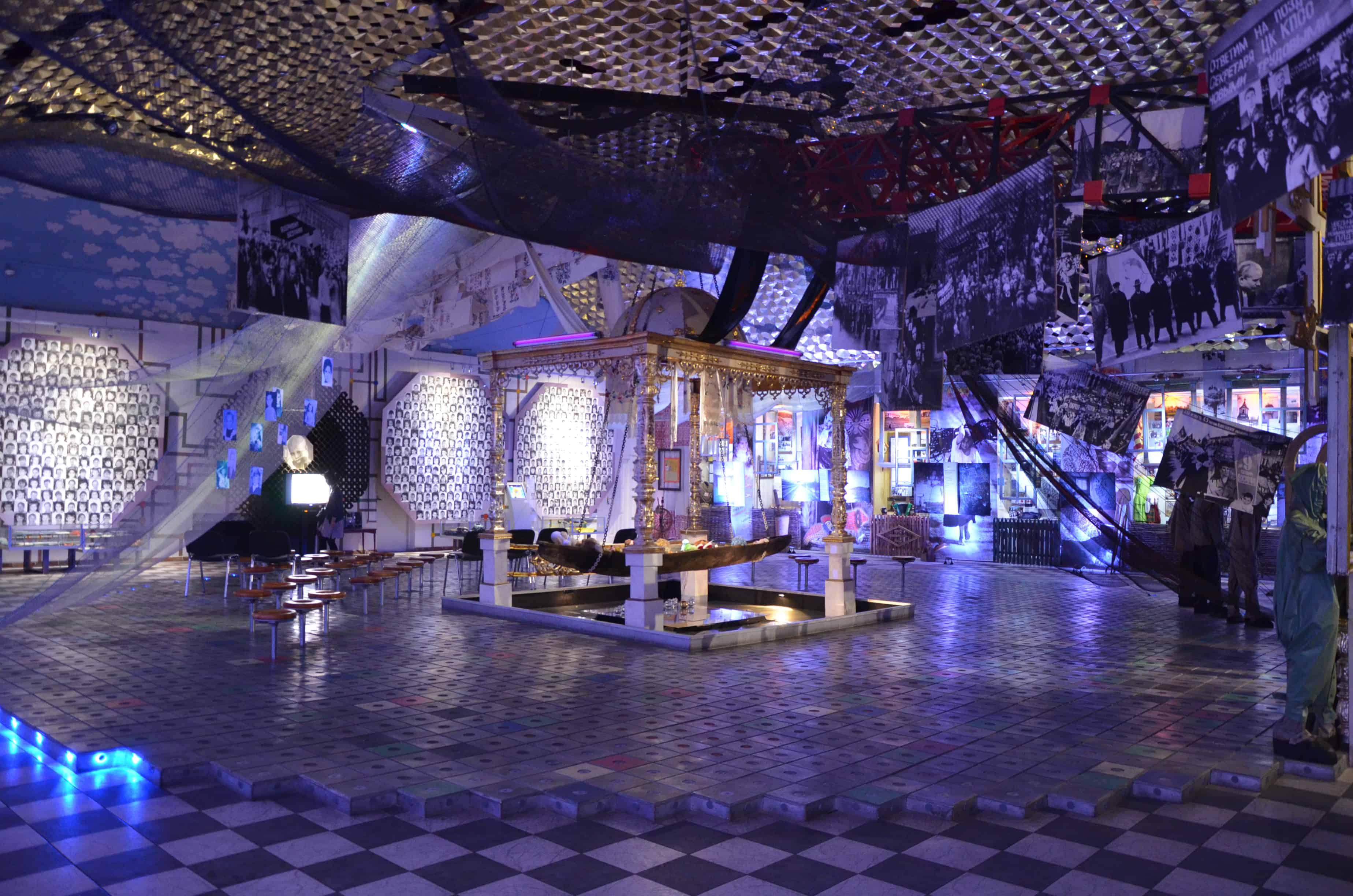
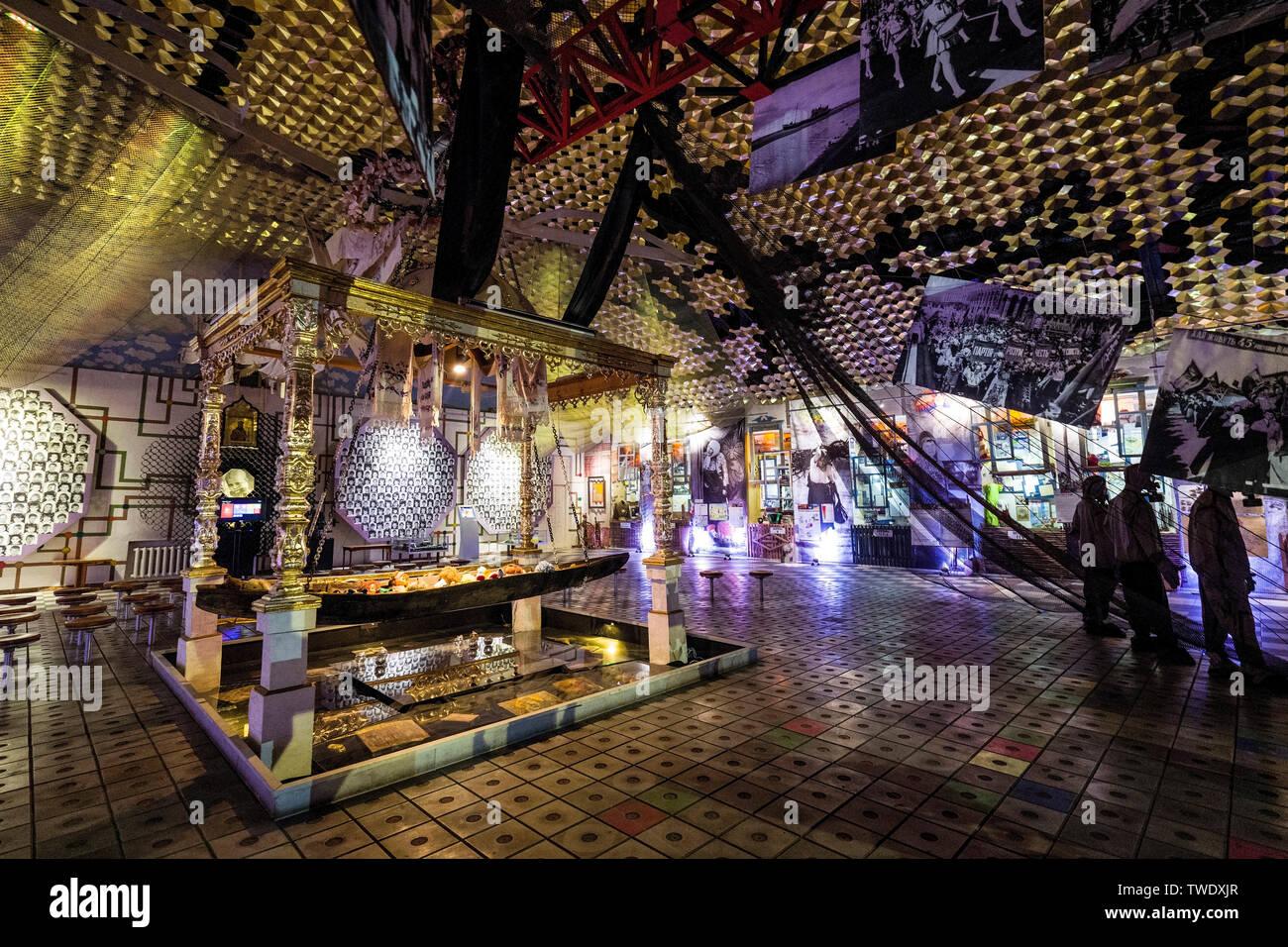
I spent nearly three hours exploring the museum, deeply moved by the personal stories and multimedia exhibits that bring the Chornobyl disaster into sharp focus. The audio guide was essential in understanding the complex narrative, and the museum's proximity to Kyiv's city center made it an accessible and profound historical experience.
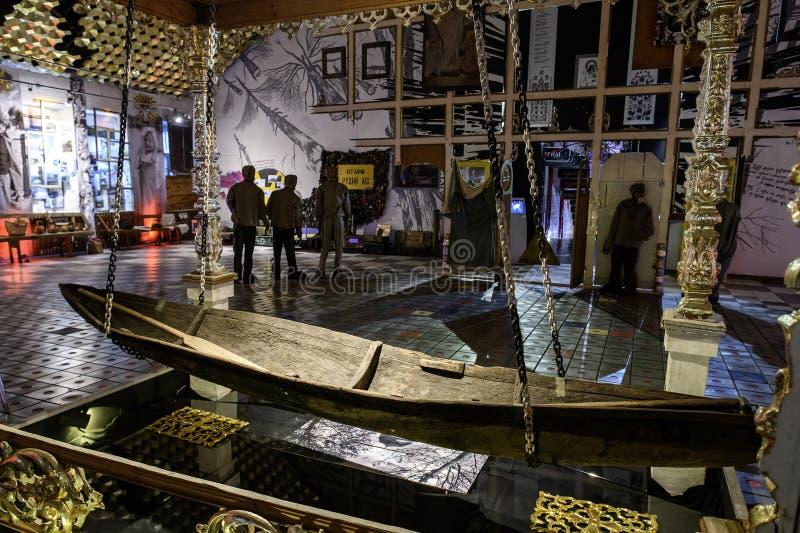
Inside the Ukrainian National Chornobyl Museum, personal artifacts and haunting multimedia exhibits reveal the human cost of the world's worst nuclear disaster. Uncover the untold stories of heroism, survival, and scientific tragedy that forever changed the course of human history.
Need-to-Know Info Before Visiting Ukrainian National Chornobyl Museum
5+
images
Ukrainian National Chornobyl Museum Address
1 Lavrska Street, Kyiv, Ukraine 01015
Ukrainian National Chornobyl Museum Opening Hours
- 🕒 Tuesday-Sunday: 10:00 AM - 6:00 PM
- 🕒 Closed on Mondays
- 🕒 Last admission: 5:30 PM
How to get to Ukrainian National Chornobyl Museum
- 🚗 By car: Parking available near museum entrance
- 🚌 Public transport: Metro to Arsenalna Station, then short walk
- 🚕 Rideshare: Uber and Bolt widely available in Kyiv
What is Ukrainian National Chornobyl Museum known for?
- Comprehensive documentation of the 1986 Chornobyl nuclear disaster
- Multimedia exhibits showcasing personal stories of affected communities
- Detailed timeline and scientific analysis of the nuclear accident
- International news coverage and photographic evidence from the disaster period
- Memorial space honoring victims and cleanup workers
What is Ukrainian National Chornobyl Museum in Kyiv?
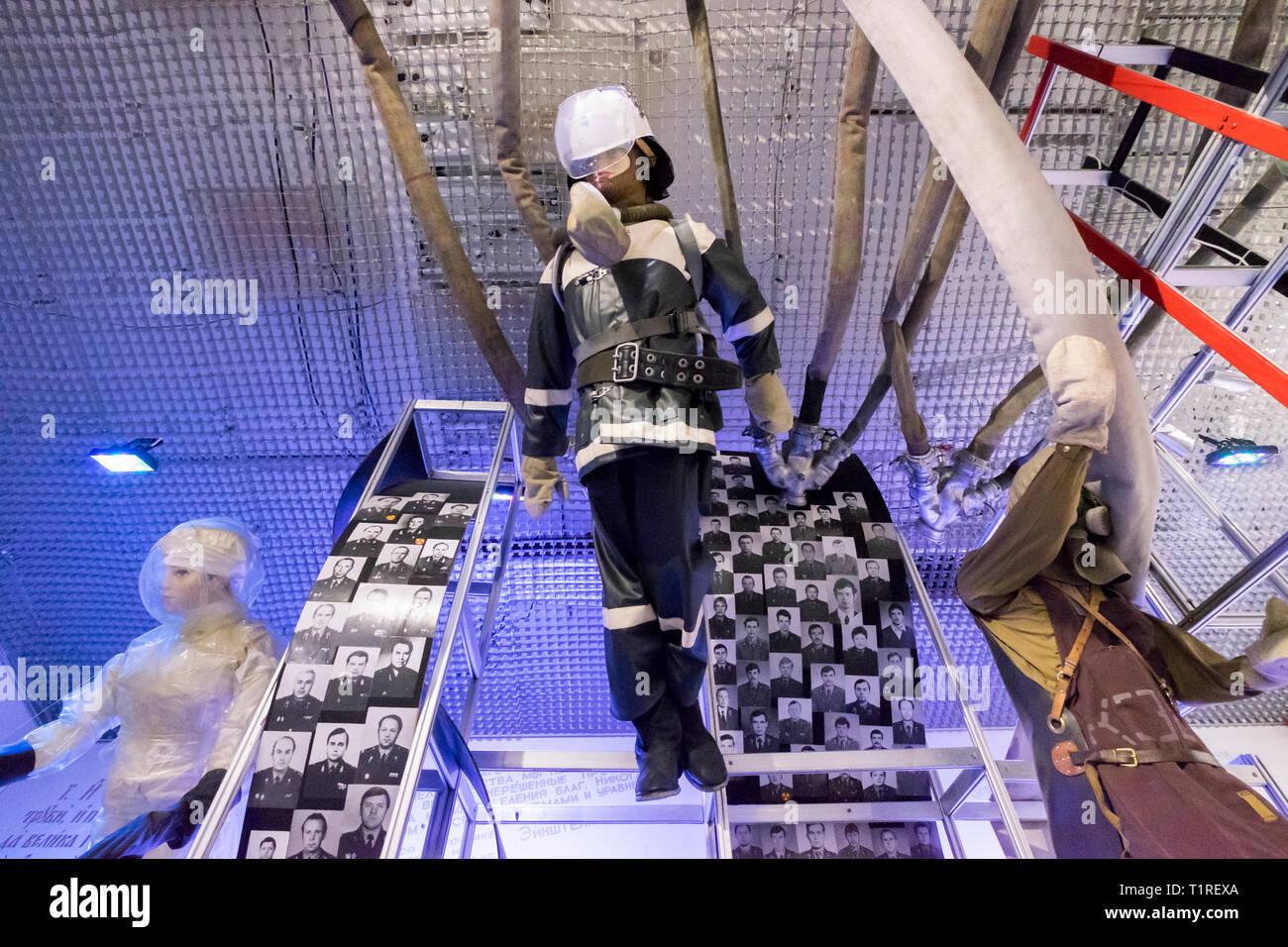
The Ukrainian National Chornobyl Museum stands as a powerful testament to one of the world's most catastrophic nuclear accidents. Located in the heart of Kyiv, this museum goes beyond a typical historical exhibit, serving as a memorial and educational center dedicated to the 1986 Chornobyl nuclear disaster. International travelers and history buffs flock to this landmark to understand the human cost and scientific impact of the reactor explosion. Touch screen displays, funded by the Japanese government after the Fukushima incident, offer an immersive experience that profiles every evacuated village and documents individual stories of those affected. Interactive multimedia exhibits, including a dramatic time-lapse diorama of reactor No. 4's explosion, provide visitors with a visceral understanding of the event's massive scale. Audio guides in multiple languages help international visitors navigate the complex narrative, while archival materials like New York Times front pages and haunting photographs create a raw, unfiltered view of the disaster's aftermath. The museum attracts roughly 50,000 visitors annually, drawing researchers, students, and tourists eager to comprehend this critical moment in global nuclear history. Unlike traditional museums, this space feels more like a somber shrine, honoring the firefighters, soldiers, engineers, and entire communities whose lives were forever changed by that April 1986 morning.
Top things to do at Ukrainian National Chornobyl Museum
- Explore the multimedia time-lapse diorama recreating the reactor No. 4 explosion, offering a dramatic visual representation of the disaster's progression
- Use Japanese government-funded touch screens to learn about individual villages evacuated and personal stories of Chornobyl disaster victims
- Listen to comprehensive 100-minute audio guides available in English, revealing detailed historical context and personal accounts
- View original front pages from the New York Times and Philadelphia Inquirer documenting the immediate aftermath of the nuclear accident
- Study the haunting photographic exhibits showing environmental and human impacts of radiation exposure
- Examine artifacts and personal belongings from first responders and liquidators who worked to contain the nuclear disaster
🎟️ Tickets and Admission
Adult tickets cost 300 Ukrainian hryvnia (approximately $8 USD). Online booking recommended through the museum's official website. Discounts available for students, seniors, and children under 12. Audio guide rental costs an additional 200 hryvnia. Group tours can be pre-booked for educational institutions and larger parties.
🧠 Cultural Significance
The Ukrainian National Chornobyl Museum serves as a critical national memorial and educational center. It represents Ukraine's commitment to preserving the memory of the 1986 nuclear disaster and honoring the sacrifices of those who responded to the catastrophe. The museum plays a crucial role in educating both national and international visitors about the long-term environmental and human consequences of nuclear accidents.
History of Ukrainian National Chornobyl Museum
- 1986: Chornobyl nuclear disaster occurs, sparking initial documentation efforts
- 1992: Museum officially established in Kyiv to commemorate the disaster
- 1996: First comprehensive exhibits about the Chornobyl accident are developed
- 2006: Japanese government funds interactive touch screen exhibits after Fukushima incident
- 2014: Museum expands documentation to include long-term environmental impact studies
- 2022: Museum continues to document ongoing environmental and social consequences of the Chornobyl disaster
❗ Tips for Visitors
- Book audio guides early, as they are limited and popular with international tourists
- Allow at least 2-3 hours for a comprehensive museum experience
- Photography is permitted, but flash photography is restricted
- English audio guides available, but arrive early to secure one
- The museum can be emotionally intense; prepare for detailed accounts of human suffering
- Wheelchair accessible with elevator and ramp facilities
- Free water stations available throughout the museum
What are some interesting facts about Ukrainian National Chornobyl Museum?
- The museum's touch screen exhibits were uniquely funded by the Japanese government after the Fukushima nuclear incident, creating an unexpected international collaboration
- Some radiation-contaminated artifacts in the museum are still considered hazardous and are displayed behind special protective glass
- The museum archives contain personal items from liquidators and first responders that were never publicly displayed before its establishment, including personal journals and protective gear